 EN
EN
 AR
AR
 FR
FR
 PT
PT
 RU
RU
 ES
ES
 ID
ID
 TH
TH
 KO
KO
 JA
JA
 VI
VI
 NL
NL
 IT
IT
 DE
DE


Maintenance and care of flow packaging machine
Introduction to Flow Packaging Machines
Flow packaging machines have become pretty much a must-have in the packaging world, especially when it comes to food stuffs. Basically what they do is wrap all sorts of products fast and efficiently in plastic film, which explains why we see them everywhere from biscuit packages to chocolate bars on store shelves. Industry data shows these machines are gaining popularity as more businesses jump on board because they just work so well and consistently produce good results. What makes them really valuable is their ability to keep food fresh longer while also giving consumers peace of mind through those tamper evident seals. Plus let's face it, who doesn't want their snacks looking attractive on display? That combination of practicality and presentation power keeps manufacturers coming back for more.
Keeping flow packaging machines well maintained extends their life span and keeps them running efficiently. When companies take care of these machines regularly, they avoid breakdowns and keep production lines moving without those frustrating stoppages that waste time and money. Industry professionals working with packaging equipment constantly stress how important it is to check things over on schedule and fix problems before they become major headaches. Businesses that make maintenance a priority generally run into far fewer issues day to day. The result? Higher output rates and better bottom line numbers because everything just works smoother. For food processing plants, pharmaceutical manufacturers, and other sectors relying on consistent packaging speeds, regular servicing isn't just good practice—it's absolutely essential for staying competitive in today's market.
Key Components of Flow Packaging Machines
Flow wrappers, sometimes called flow packaging machines, depend on a bunch of different parts working together to make those sealed packages we see all over stores. The main part of how it works starts with a big roll of plastic film that gets unrolled and fed through what's called a forming collar. When this film moves through the collar, it wraps around whatever products are sitting there on the conveyor belt. There are sealing mechanisms involved too these can spin around or move back and forth that press down on the film to create tight seals. What makes this whole thing work so well is that everything happens in sync, which means manufacturers can package all sorts of things without much hassle. Think about candy bars, snack packs, even some kinds of baked goods all get wrapped up neatly thanks to this process.
The world of flow packaging isn't just one size fits all. There are actually multiple machine configurations out there, each designed for specific needs in production lines. Take horizontal flow wrappers for instance they work great when dealing with items already sitting on a conveyor belt, think chocolate bars or fresh bread loaves coming off the oven. On the flip side, vertical models handle those tricky loose products better, stuff like potato chips or trail mix that need individual wrapping. Looking at what's happening in the market right now, manufacturers seem to be leaning towards horizontal systems because they can handle so many different product dimensions without much retooling. And don't get me started on how these machines keep getting smarter year after year. Speed has definitely improved, but it's the fine details that matter most precision matters when wrapping delicate items, and being able to switch between product types quickly saves serious time during changeovers.
Essential Maintenance Tips for Your Flow Packaging Machine
Keeping flow packaging machines running smoothly requires regular checks and cleanups. Most operators find that sticking to a basic maintenance plan prevents those frustrating breakdowns that stop production cold and keeps their gear lasting longer. Weekly glances at common trouble spots like belts, sensors, and moving parts catch problems early before they become big headaches. Cleaning out residue buildup from product contact areas is also crucial since this grime can mess with sensor readings over time. Industry data suggests proper upkeep cuts down on expensive repairs somewhere around 25-30% in most cases. That kind of savings makes all those extra minutes spent on routine checks totally worth it when looking at long term operational costs.
Regular lubrication and timely part replacements aren't things anyone wants to skip over. When greasing up machinery, it really matters what kind of lube gets applied where. Machine oil works great for most moving parts while certain areas need specialty greases, especially around those pesky bearings and noisy gears that tend to get hot if neglected. Don't wait until belts start slipping or blades become dull before replacing them either. Most shops recommend checking these items every few months at minimum. Neglecting maintenance here doesn't just break down equipment occasionally it completely stops production lines cold turkey, which nobody wants to deal with during peak seasons when deadlines loom large.
Getting those machine settings just right remains essential for accurate packaging results. Most facilities find it works best to check calibrations once a month, though some might need adjustments more frequently if they notice inconsistencies in how packages look or feel. Operators typically grab their trusty digital scales alongside pressure gauges to tweak everything until the machine runs smoothly again. When calibrated properly, machines run at their optimal pace while maintaining precise measurements, which means fewer rejects on the production line and happier customers receiving consistently sized packages that meet all quality requirements.
Troubleshooting Common Flow Packaging Machine Issues
Flow packaging machines often throw up operational headaches, and knowing what goes wrong can make all the difference when fixing them. Mechanical problems tend to be the biggest pain points for many facilities. Things like sealing jaws that get out of alignment or issues with how the film feeds through happen quite regularly across manufacturing floors. Some industry reports suggest around 20% of packaging lines deal with these kinds of mechanical troubles at any given time. Electrical issues aren't far behind either. Sensors sometimes talk nonsense to each other, motors pack it in unexpectedly, and nobody wants to deal with those surprises during production runs. When plant personnel start recognizing these recurring problems, they're better positioned to spot trouble spots before they become major disruptions down the line.
To tackle these challenges, having a troubleshooting checklist can significantly expedite solutions and minimize downtime. Hereâs a guide ranked by ease of implementation:
- Inspect Electrical Connections: Ensure all cables and connections are secure, as loose connections often cause intermittent operations.
- Check Sensor Calibration: Misaligned sensors are a frequent culprit; recalibrating them can rectify many detection and alignment issues.
- Examine the Sealing System: Misaligned or worn-out sealing jaws can cause improper sealing. Regularly inspect and adjust as needed.
- Review Film Tension and Feed: Uneven film feed can lead to wrinkles and product misplacement. Adjust the tension and reel alignment.
- Monitor Lubrication Levels: Lack of proper lubrication can cause moving parts to seize. Ensure that all parts are adequately and regularly lubricated.
By maintaining these quick checks and inspections, operators can efficiently navigate the common pitfalls of flow packaging machines, maintaining productivity and ensuring quality output.
Product Innovations: Enhancing Flow Packaging Machine Efficiency
The world of flow packaging keeps getting better all the time, especially since manufacturers started making those big downside film models available. What makes these newer machines stand out? They come equipped with something called double frequency conversion control. This tech basically helps keep everything running smoothly without so many breakdowns or complicated repairs. Candy makers and snack producers have really jumped on board with this development. The speed and accuracy of their packaging operations has gone way up, which means products stay fresh longer on store shelves. For companies dealing with perishable goods, that kind of improvement can make all the difference between success and waste.
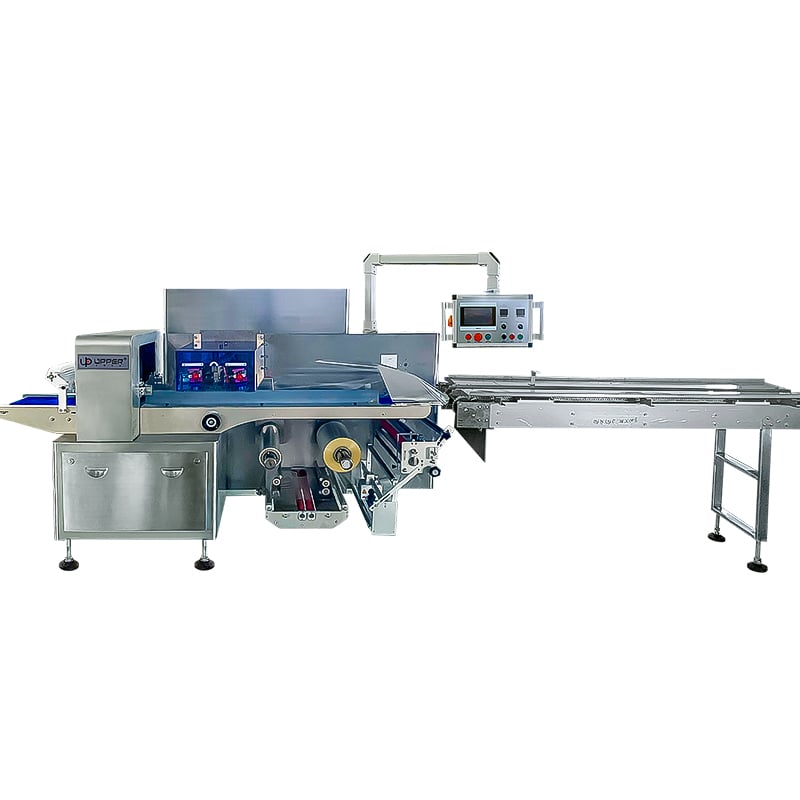
The automatic card dispensing flow packaging machine represents a real game changer for many operations looking to get more done faster. Basically what happens is that these machines handle all sorts of flat products like playing cards or other thin items at lightning speed thanks to their dual suction system setup. Factory managers who've switched to this tech report something pretty interesting - most just slot right into current workflows without major headaches. One plant manager mentioned they cut down on packaging time by nearly half after installation, while another noted workers could focus on quality control instead of manual packing tasks. The bottom line? These machines don't just save time, they actually transform how entire production floors operate day to day.
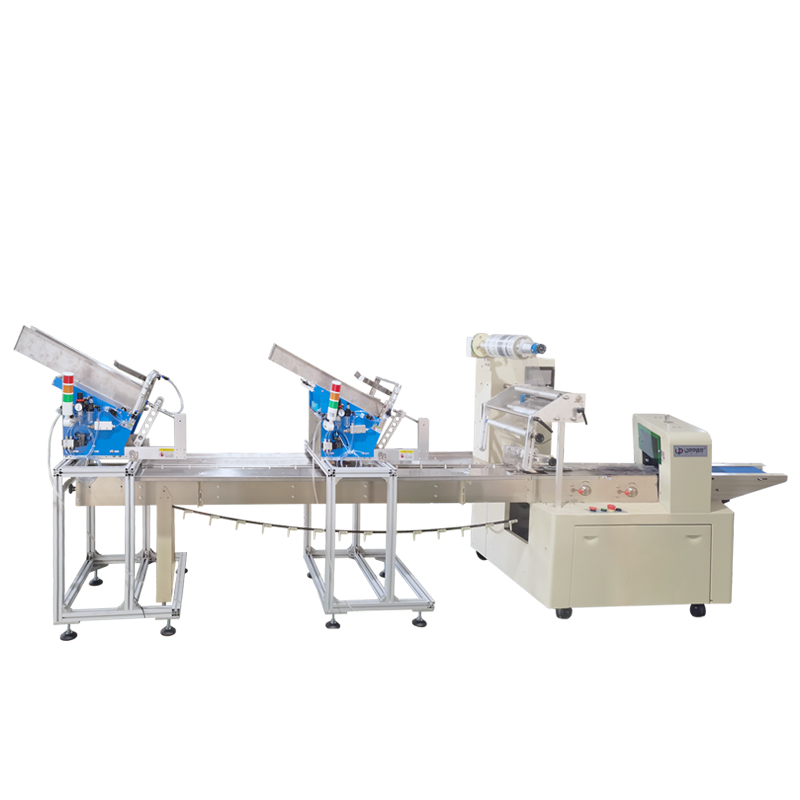
Innovations like these are reshaping the landscape of industrial packaging, providing businesses with cutting-edge tools to enhance productivity and operational efficiency.
Conclusion: Optimizing Your Flow Packaging Operations
Getting maintenance right makes all the difference when it comes to keeping flow packaging machines running efficiently over time. The basics include checking things regularly, making sure everything stays properly lubricated, swapping out parts before they fail completely, and following manufacturer guidelines for operation. When companies stick to these practices, they avoid those frustrating surprise breakdowns that halt production. Plus, well maintained equipment just works better day after day, which means packaging lines stay productive and hit those daily output targets without constant headaches or last minute scrambles.
The road ahead for flow packaging tech looks pretty exciting with some major changes coming down the pipeline. We're talking about things like intelligent packaging solutions, smarter automated processes, and materials that actually work better for our planet. These developments aren't just nice to have they're going to completely change how companies approach packaging moving forward. Businesses that keep an eye on what's happening now will find themselves in a much better position when these innovations start rolling out across the industry. After all, nobody wants to be left behind while competitors adopt greener, more efficient methods that cut costs and meet customer expectations at the same time.